

Architecture refers to various domains such as building architecture, software architecture, system architecture, or even organizational architecture. Each domain has its specific components and considerations. They all share some common elements such as:
- Components: These are the fundamental building blocks of the architecture. In building architecture, they can include walls, floors, roofs, doors, windows, etc. In software architecture, components refer to the modular parts of a software system, such as modules, classes, libraries, or services.
- Structure: The structure defines the arrangement and organization of components and their relationships. In building architecture, it involves the spatial arrangement of rooms, corridors, and other physical elements. In software architecture, it represents the organization of components, layers, subsystems, or modules and the connections between them.
- Patterns and Styles: These refer to established solutions or design paradigms used to address common architectural challenges. Examples include architectural styles like Gothic or Modernist in building architecture, or architectural patterns like MVC (Model-View-Controller) or Microservices in software architecture.
- Interfaces and Interactions: These describe how components or subsystems interact with each other. In building architecture, interfaces include doors, windows, and passages, allowing people to move between spaces. In software architecture, interfaces define the methods, protocols, or APIs through which software components communicate and exchange data.
- Constraints and Requirements: Architecture is influenced by various constraints and requirements, such as functional requirements, performance goals, scalability, security, regulatory compliance, and user needs. These constraints shape the design decisions and influence the overall architecture.
- Technology and Tools: Architecture often involves the selection and integration of specific technologies, tools, or platforms. In building architecture, it can involve choosing construction materials, building systems, or energy-efficient solutions. In software architecture, it includes decisions on programming languages, frameworks, databases, or cloud platforms.
- Aesthetics and Experience: In building architecture, aesthetics play a significant role in creating visually pleasing and harmonious designs. It considers factors such as form, proportion, color, texture, and the overall experience of occupants. In software architecture, user experience (UX) design focuses on creating intuitive, efficient, and satisfying interactions with the software system.
- Performance and Optimization: Architecture must consider performance and optimization aspects. In building architecture, it involves considerations like energy efficiency, ventilation, insulation, and structural stability. In software architecture, it includes designing for optimal response times, scalability, resource utilization, and minimizing bottlenecks.
- Documentation and Communication: Architecture needs to be effectively communicated and documented to stakeholders, including clients, users, developers, and other involved parties. This documentation can include diagrams, blueprints, specifications, guidelines, and other artifacts that convey the design intent and facilitate implementation.
- Evolution and Adaptation: Architecture should be adaptable to accommodate changes and future growth. It should be flexible enough to incorporate new technologies, requirements, or functionalities over time. Consideration of scalability, modularity, and extensibility helps ensure the architecture’s longevity.
It’s important to note that the specific components and considerations can vary depending on the domain and context, as the term “architecture” is used.
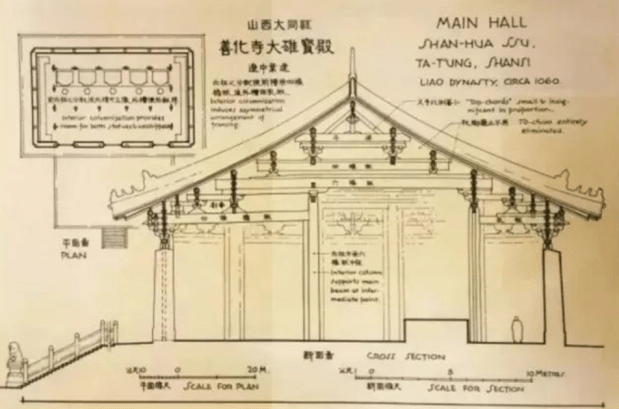
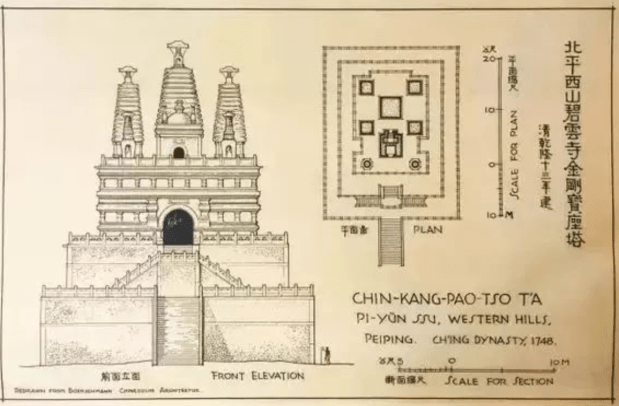
In this gallery, you can browse a few valuable examples from Liang Sicheng, a Chinese architect and architectural historian, known as the father of modern Chinese architecture. His drawings on historical landmarks are at the highest standard, with finest details, from almost 100 years ago.
 One Page Press