Choosing a mission statement is an important step in defining the purpose and direction of your organization or business. To create an effective mission statement, start by considering the core values and principles that drive your program’s decision-making and actions. It should reflect these values and communicate your organization’s purpose in a clear and concise way. It’s also important to think about your target audience and the specific needs and desires that your organization aims to address. The mission statement should speak directly to your audience and inspire them to connect with your brand. Finally, make sure your mission statement is memorable and authentic. It should accurately reflect your organization’s identity and be something that both employees and customers can rally behind.
The featured picture is how we choose our mission statement.
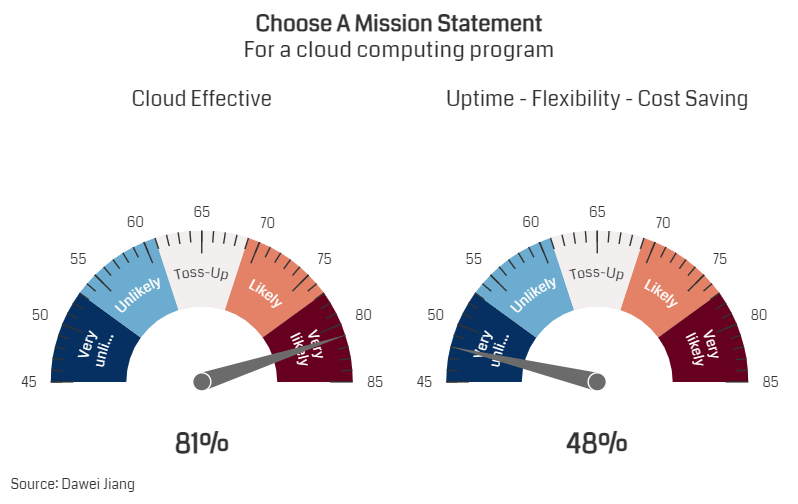
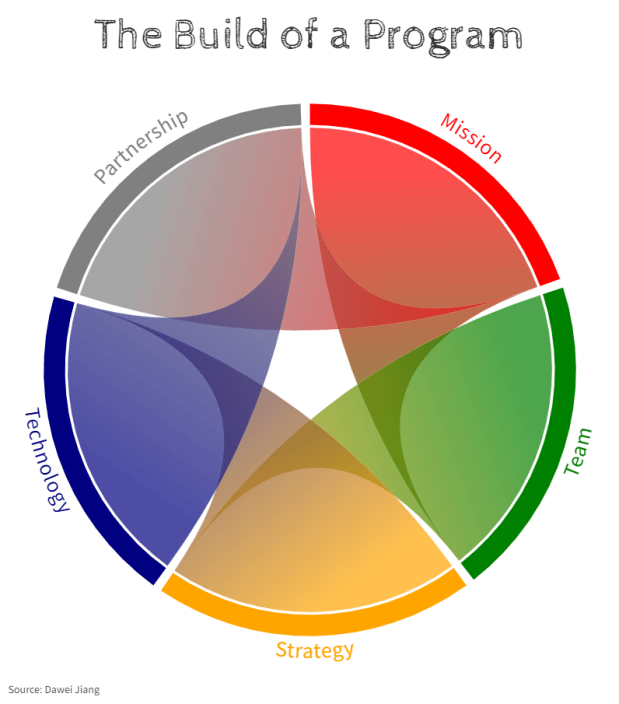
The following describes how to build a technology program. For a program, mission comes first. And for a mission, mission statement comes first.
Building a technology program can be a complex task, but it’s an essential one for organizations that want to stay ahead of the curve and take advantage of the latest technologies. A successful technology program requires careful planning and execution across five key areas: mission, team, strategy, technology, and partnership.
- Mission
The first step in building a technology program is to define its mission. This involves identifying the goals and objectives of the program, as well as the target audience and expected outcomes. A clear and concise mission statement will help guide the program’s development and ensure that everyone involved is on the same page.
- Team
The success of any technology program depends on having the right team in place. This includes not only technical experts but also business leaders and project managers who can help align the program with the organization’s overall strategy. It’s important to identify the key roles and responsibilities needed to execute the program and to recruit the best talent to fill them.
- Strategy
A solid strategy is essential to building a successful technology program. This includes developing a roadmap that outlines the program’s goals, timelines, and key milestones. It’s also important to identify potential risks and challenges that may arise during the program’s execution and to develop contingency plans to address them.
- Technology
The technology itself is, of course, a crucial aspect of any technology program. This includes identifying the right hardware, software, and infrastructure needed to support the program’s objectives. It’s also important to stay up to date with the latest technologies and trends and to continually evaluate and improve the program’s technology stack.
- Partnership
Finally, building a successful technology program requires building strong partnerships with vendors, suppliers, and other stakeholders. This includes working closely with technology providers to identify the best solutions and negotiate favorable terms. It also involves collaborating with other departments within the organization to ensure that the program aligns with the overall strategy and meets the needs of all stakeholders.
Building a technology program requires careful planning and execution across multiple areas. By focusing on the mission, team, strategy, technology, and partnership, organizations can create a program that delivers real value and drives innovation. By following these five steps, you can be well on your way to building a successful technology program that helps your organization achieve its goals.
 One Page Press